
How to use this course: Already enrolled or purchased? Log in through My Courses & Account. Still choosing where to begin? Start with Find My Phase or browse the Course Guides. Some courses may appear closed until enrollment is opened or your account is connected.
Course Overview
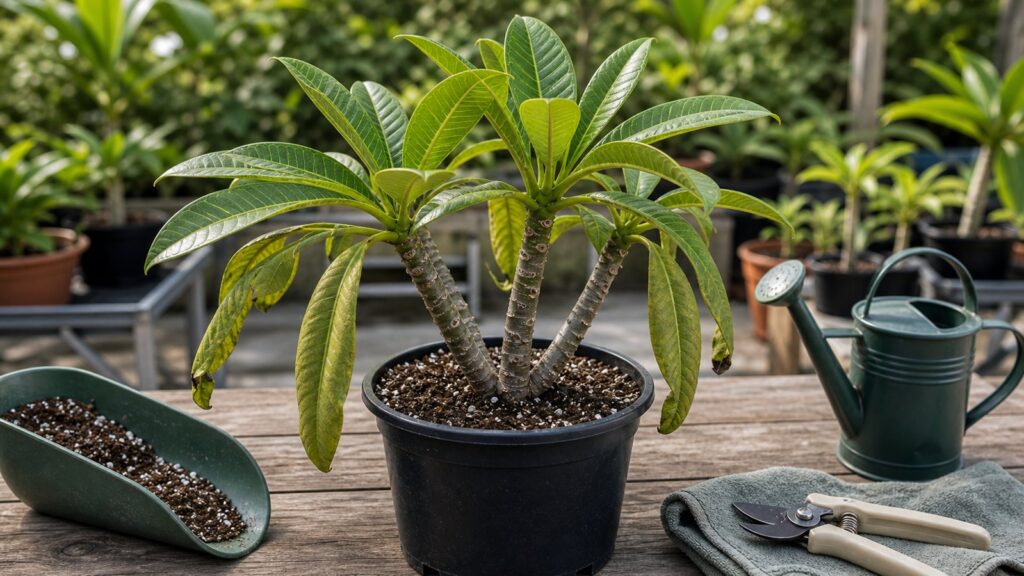
Transplant shock is a temporary disruption after roots, media, container, or environment change. It often shows up as slowed top growth, leaf response, changed water use, or a pause while roots reestablish.
This course teaches students to distinguish normal slowdown from true setback, identify common causes, observe the plant calmly, and support recovery without stacking extra changes.
The best recovery plan usually reduces variables. Protect the roots, manage water carefully, avoid fertilizer too early, and let stabilization show before making another move.
Course Outcomes
- Explain transplant shock as a root-function and water-balance problem after disturbance.
- Recognize causes such as rough handling, oversized pots, wrong watering, heat, and media changes.
- Observe leaves, tips, media behavior, dry-down, and stem firmness after transplant.
- Build a recovery plan that holds steady and avoids extra changes too soon.
- Use a checklist to judge timeline and stabilization signs.
Course Lessons
- What Transplant Shock Is
- Common Causes
- What to Observe After Transplant
- Recovery Plan
- Transplant Checklist
Related CareGuide Reading
- Preventing Transplant Shock (Plumeria Cultivation and Planting Guide)
- How can Plumeria's roots be protected during transplant shock? (Climate & Environment Guide)
Key Takeaway
Transplant shock is usually a root-function and water-balance adjustment. Reduce variables, protect roots, water from evidence, and wait for stability before adding more changes.