
Treatment Visuals
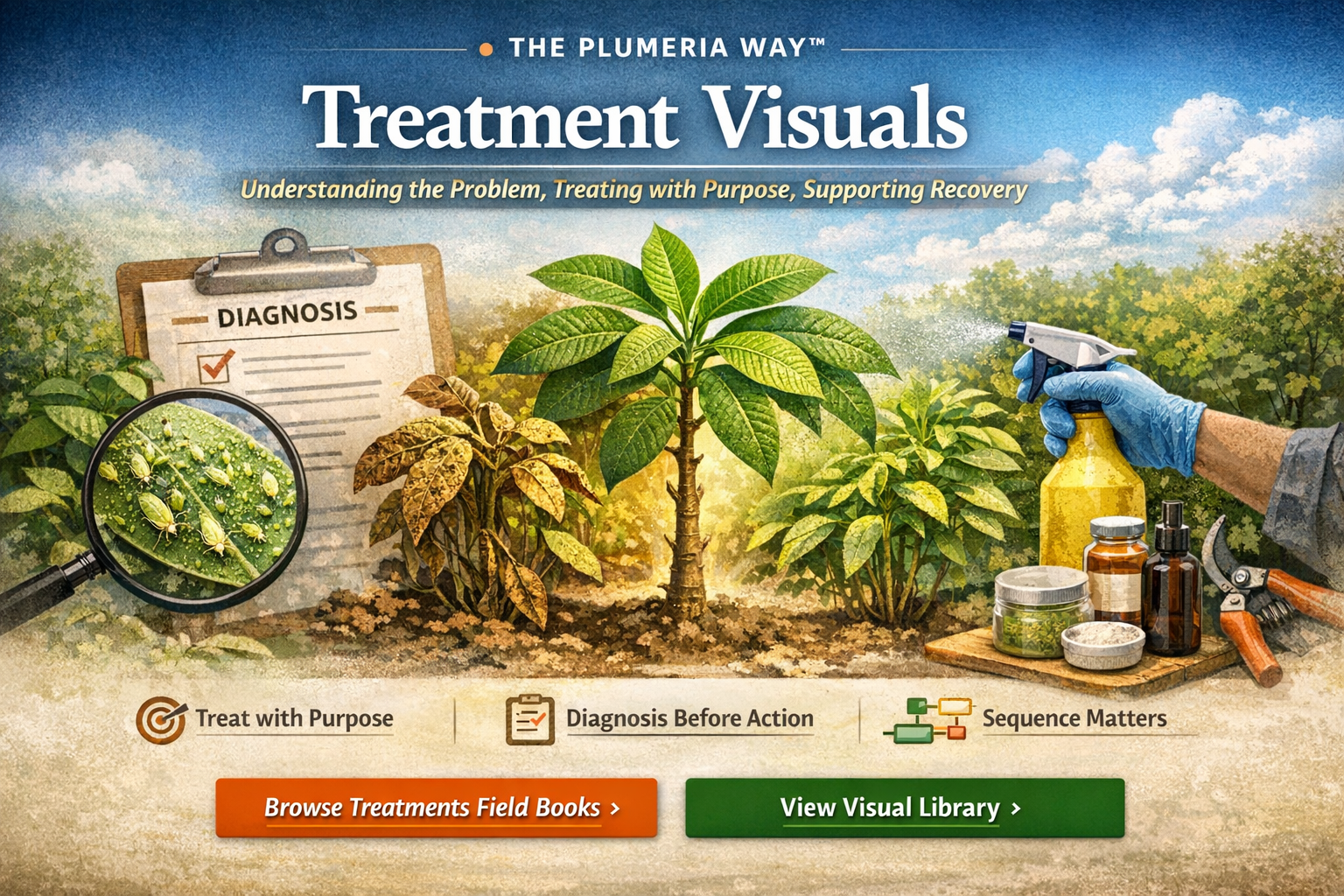
Treatments work best when the problem is understood first. This Visual Library page is designed to help growers compare treatment situations, understand when action is appropriate, and see how treatment fits into a larger sequence of diagnosis, stabilization, and recovery.
What This Visual Library Page Is For
Treatment decisions are often rushed because the grower wants the problem to stop immediately. This page is meant to organize visuals that help connect treatment actions to the correct context. Instead of treating from fear or assumption, growers can use these visuals to understand when a treatment is justified, what type of situation they may be dealing with, and whether stabilization should happen before intervention.
See When Treatment Fits
Use visuals to compare situations where treatment is appropriate, situations where observation should continue, and situations where environmental correction matters more than products.
Reduce Reactive Application
Visual comparisons help growers avoid spraying, drenching, or escalating too early when the pattern is still unclear or when the plant is not stable enough for aggressive intervention.
Support Better Sequences
Treatments are usually most effective when they follow correct diagnosis, plant assessment, and stabilization instead of replacing them.
Suggested Treatment Visual Categories
This page becomes much more useful when visuals are grouped by treatment situation and decision type rather than by product names alone. That keeps the focus on judgment, not just intervention.
Pest Treatment Situations
- Visible pest presence and severity comparisons
- Early infestation vs. established pressure
- Leaf damage patterns linked to likely pest groups
- When treatment escalation may be justified
- When monitoring and environmental correction still come first
Disease and Rot Treatment Situations
- Fungal pattern comparisons
- Stem and tip damage progression visuals
- When sanitation and removal are part of treatment
- When environmental factors are driving the problem
- When treatment should follow clearer diagnosis
Application and Method Visuals
- Spray vs. drench situations
- Targeted treatment vs. whole-plant response
- Tool sanitation and clean handling steps
- Environmental support during treatment periods
- Visuals showing why method matters as much as product choice
Hold vs. Treat Comparisons
- Stress symptoms that mimic treatable problems
- Plants too unstable for aggressive intervention
- Situations where observation should continue first
- Cases where environmental correction is the real first step
- Readiness-to-treat vs. not-yet-ready examples
How to Use This Page
Treatment Visuals should help growers slow down and place treatment inside the right sequence. The goal is not to turn a picture into an instant prescription. It is to help narrow the situation, compare likely scenarios, and decide whether treatment belongs now, later, or not at all.
1. Match the Situation
2. Check Whether Treatment Is the Correct Next Step
Use the visuals to help determine whether treatment belongs now, whether conditions should be corrected first, or whether more observation is still needed before acting.
3. Use the Least Disruptive Effective Response
Let the sequence guide the response so treatment supports plant recovery instead of adding unnecessary stress.
Recommended Page Sections
If you expand this page over time, these content areas will help keep the visuals organized, practical, and linked to better decisions.
Treatment Situation Galleries
Group visuals by pest, disease, rot, sanitation, and environmental-correction situations so growers can compare similar treatment contexts more easily.
Method Comparison Panels
Include side-by-side visuals that explain when a treatment method fits the problem and when a different approach would be safer or more effective.
Linked Decision Guides
Connect each treatment visual group to the relevant field book or guidance page so the visuals support real next-step judgment.
Related Resources
Treatment visuals are strongest when they connect to observation, stabilization, and phase-based decision-making.
Treatments Field Books
Use the T-Series to strengthen treatment judgment, application thinking, and response sequencing.
Diagnostic Field Books
Diagnostics helps determine whether treatment is justified and what problem is most likely present.
Stress & Recovery Field Books
Many treatment decisions improve when the plant is stabilized before intervention is escalated.
Treat in the Right Order, Not the Fastest One
Better treatment decisions come from understanding the problem, the plant, and the sequence. When the situation is clear, treatment becomes more effective and less disruptive.