How to use this course: Already enrolled or purchased? Log in through My Courses & Account. Still choosing where to begin? Start with Find My Phase or browse the Course Guides. Some courses may appear closed until enrollment is opened or your account is connected.
Course Overview
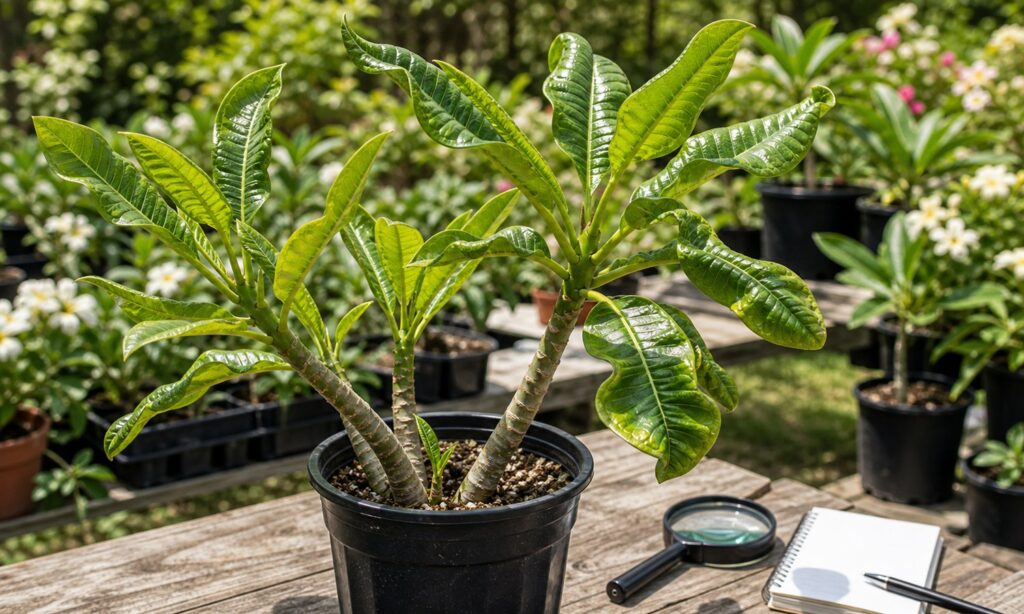
Leaf curling or distortion is a symptom, not a complete diagnosis by itself.
This course teaches students to read the shape, age, distribution, and timing of distorted leaves before choosing a response.
Students compare common categories such as pests, water stress, environmental stress, recent fertilizer or spray use, handling injury, virus-like symptoms, and normal foliage variation.
The main skill is restraint: inspect first, choose one supported correction, and then observe whether new growth improves.
Course Outcomes
- Describe different distortion patterns such as curling, cupping, twisting, and puckering.
- Compare new-growth distortion with older-leaf damage.
- Separate pest evidence from cultural, environmental, spray, and timing clues.
- Inspect undersides, nodes, tender tips, and recent care changes before acting.
- Use a checklist to choose one evidence-based next step.
Course Lessons
- What Distortion Patterns Tell You
- Main Categories to Compare
- Reading Distribution and Timing
- What to Inspect Before Acting
- Distortion Checklist
Related CareGuide Reading
- What's causing my Plumeria's leaves to curl? – Use for course-level leaf curl causes
- Why are the new leaves on my Plumeria deformed? – Use for new-growth distortion
Learning Note
Use these readings as supporting references after you complete the PlumeriaWay observation steps. Leaf distortion is a symptom. Read the pattern before choosing a correction.